Treatment of Meticillin-resistant Staphylococcus aureus (MRSA)
This page gives you information about Meticillinresistant Staphylococcus aureus (MRSA) and its treatment.
On this page
-
What is MRSA?
-
How did you find out I was MRSA positive?
-
Why is treatment recommended?
-
How do you treat MRSA?
-
Will I always have MRSA?
-
Will staff take extra safety measures when caring for me?
-
What can I do to help?
-
Can I have visitors?
-
What happens when I go home?
-
What if I come into hospital again?
-
Useful information
-
When should I ask for help?
What is MRSA?
MRSA stands for Methicillin-Resistant Staphylococcus aureus.
Staphylococcus aureus is a common bacterium (germ) that many people carry on their skin or in their nose without causing any problems. This is normal and does not usually make people ill.
When someone carries MRSA without any signs of infection, this is called colonisation. You may also hear this described as carrying the germ.
MRSA is different from other Staphylococcus aureus bacteria because it is resistant to some commonly used antibiotics. This can make infections harder to treat.
Most people who carry MRSA are not unwell and do not require treatment for an infection.
How did you find out I was MRSA positive?
You may have had screening tests when you came into hospital or before an operation. These tests help identify people carrying MRSA so that appropriate treatment can be started.
Samples may be taken from:
- your nose
- your groin
- any wounds or broken skin
- other areas if needed
A positive result does not always mean you have an infection. It often means that you are carrying MRSA on your skin or in your nose.
Why is treatment recommended?
Reducing the amount of MRSA on your skin and in your nose lowers the risk of:
- developing an infection
- passing MRSA to other vulnerable patients complications during or after surgery
How do you treat MRSA?
The best way to treat and reduce the amount of MRSA on your skin is with a combination of prescribed lotions. These will reduce the number of germs on your skin.
- A nasal ointment known as mupirocin or
Bactroban® must be put inside your nostrils 3 times a day for the first 5 days of treatment. Apply a small amount (size of a match head) onto a clean finger and apply to the front of the nostrils (just inside). Squeeze the nostrils gently and you should be able to taste the ointment at the back of your throat.
Please make sure you wash your hands after using the ointment.
- An antimicrobial body wash will also be prescribed Follow the steps below:
Step 1: Wet skin and /or hair
Step 2: Apply the undiluted body wash to a damp washcloth or directly onto your skin.
Step 3: Wash your whole body, paying particular attention to:
Step 4: Leave the body wash on your skin for 1 minute.
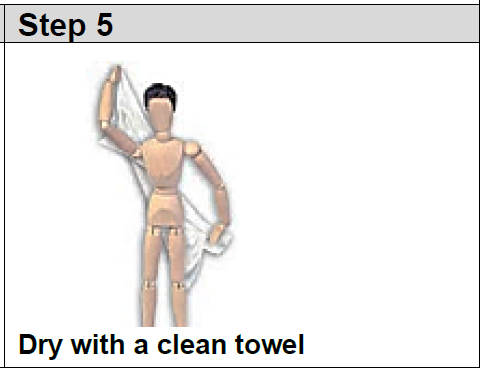
Step 5: Rinse thoroughly and dry with a clean towel.
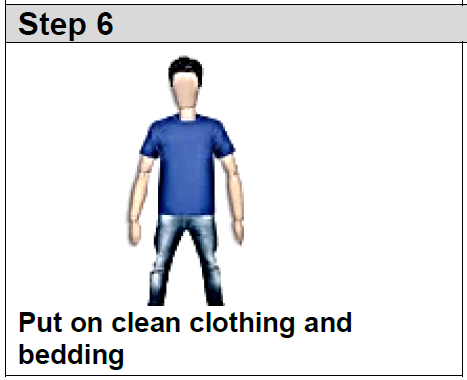
Step 6: Put on clean clothes, use clean bedding after the start of the treatment.
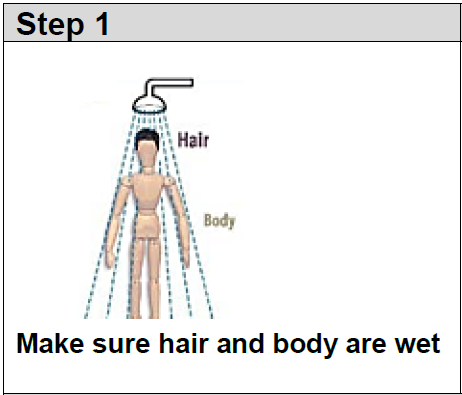
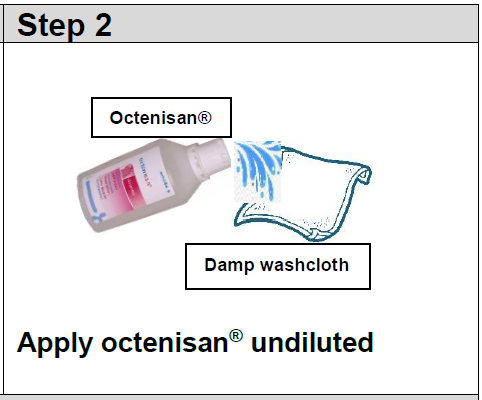
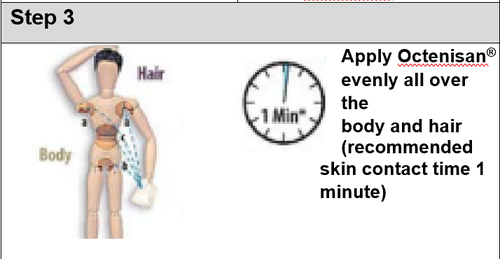
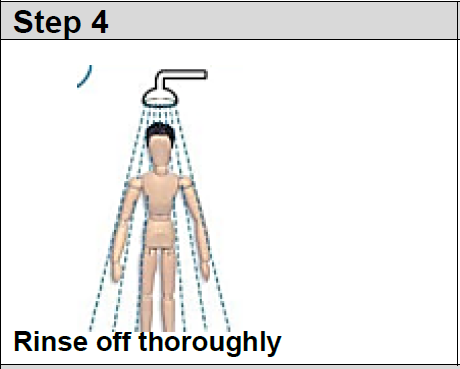
You must wash and rinse your hair twice within the first 5 days of treatment, using the antimicrobial body wash. For example, on day 2 and day 4 during the 5-day course. You may wash your hair afterwards with regular shampoo.
These products must be used together for 5 days. If you are still a patient in hospital after 5 days continue to wash with the antimicrobial body wash for the rest of your inpatient stay.
The purpose of treatment with the nasal cream and antimicrobial body wash is to reduce the MRSA on the skin during your time in hospital. The treatment will also lower the risk of an infection.
If you are coming in to hospital for an operation, the preassessment team will tell you when to start the treatment.
Will I always have MRSA?
Not necessarily. Some people stop carrying MRSA after treatment, while others may continue to carry it for longer.
Following the treatment instructions carefully gives the best chance of reducing MRSA.
Will staff take extra safety measures when caring for me?
You may be cared for in a single room and staff may wear gloves and aprons when providing care. These safety measures help prevent the spread of germs and protect all patients.
This does not affect the quality of care you receive.
What can I do to help?
Good hand hygiene is one of the most effective ways to prevent infection. You can help by:
- washing your hands regularly with soap and water
- using alcohol hand gel when available
- following the treatment plan provided
- avoiding touching wounds, drips or medical devices unless necessary. Tell a nurse or doctor if you have any concerns with any redness or pain around these devices.
- telling staff if you have any concerns
Can I have visitors?
Yes. Family and friends can visit you while you are in hospital.
Visitors must:
- clean their hands when they enter and leave the room or bay
- avoid sitting on hospital beds
- avoid visiting if they are unwell
What happens when I go home?
You can continue your normal daily activities when you leave hospital. Clothes, towels and bed linen can be washed as normal. No special cleaning is usually required at home.
Continue to practice good hand hygiene and encourage family members and carers to wash their hands before and after providing care. This helps reduce the spread of germs.
What if I come into hospital again?
If you are admitted to hospital or attend an outpatient appointment in the future, it is helpful to let staff know that you have previously been MRSA positive.
This allows healthcare staff to provide the most appropriate care and infection prevention measures.
Useful information
Most people with MRSA:
- feel completely well
- do not have an infection
- can continue normal activities
- can help prevent spread through good hand hygiene
- can reduce MRSA by completing their treatment
When should I ask for help?
Speak to a nurse or doctor if:
- you are unsure how to use your treatment
- you miss doses of treatment
- you develop redness, pain, redness or swelling around a wound or line or medical device
- you have any questions about MRSA