Having a CT ablation (easy read)
This page gives you information about having a CT ablation.

If you don’t think you should be having this treatment, please contact the CT Department.
If you haven’t had a copy already, please ask for the ‘Having a CT scan of the body’ leaflet. This will tell you more about CT scans and what to expect.
What is a CT ablation?
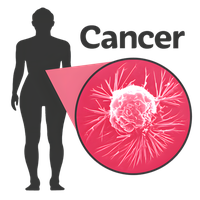
An ablation is where small needles are put into a tumour in your body and heated up (microwave ablation) or made very cold (cryoablation) which helps to kill the cancer cells. The needles are very small.
Sometimes the needles have to be moved to different positions to kill all the cells.
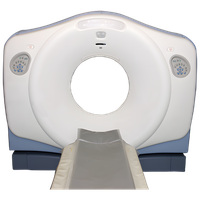
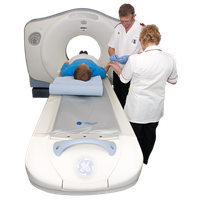
The CT scanner helps us put the needles in the right place in your body.
Why do I need an ablation?
You need an ablation because you have a tumour that needs either heat or cold to kill the cancer cells.
Getting ready for your biopsy
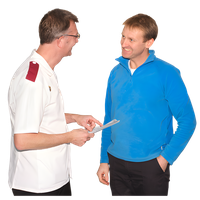
Before your biopsy you will talk to health staff about what will happen. This might be an appointment or on the phone.
You will need to tell us about any medication you take.
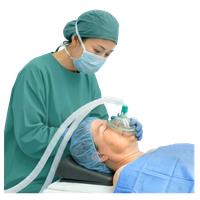
Health staff will talk to you about the anaesthetic in case there is anything they need to be aware of.
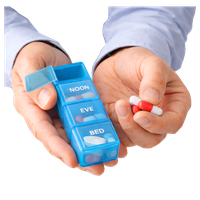
If you have medication to thin your blood you might have to stop taking them before your biopsy.
We will tell you if you need to stop your medication.
You should carry on taking your other medication unless we tell you not to.
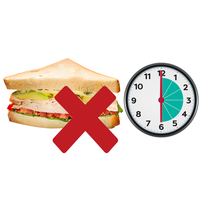
Please do not eat anything for 6 hours before your appointment time.
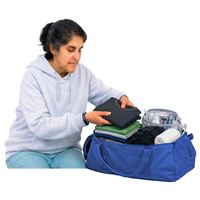
You will need to stay in hospital overnight so please bring your overnight things with you.

You will not be able to drive for a couple of days so make sure you have someone to pick you up.
What happens during the ablation?
You will go to the scanning room and have an anaesthetic, so you go to sleep.
A scan will be done to check where to put the needles.
Your skin will be cleaned before the needles go in.
The needles are put into the tumour.
Another scan checks how the tumour looks after the ablation.
You will be asleep so you will not feel anything. There might be a small ache afterwards.
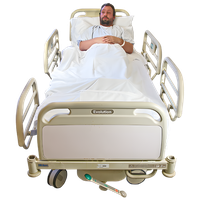
How long will it take?
Everyone is different.
You will be looked after in the Radiology department after your treatment.
When you feel well enough, you will go to a ward and stay in hospital for 24 hours.
Your wounds will be checked and another scan will be arranged to check how things are.

How will I feel after the ablation?

You might feel a bit poorly for a couple of days.
You need to rest at home for the next couple of days.

You might have to avoid heavy work or exercise for a week depending on where your ablation was.

You can eat and drink normally after the ablation.
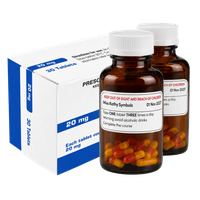
You might feel a bit uncomfortable, but you can take pain relief for this.
You will have antibiotics to take after your ablation. You will be asked to take them for up to a week.
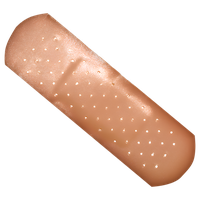
The needles only make a small hole which will be covered with a plaster.
You can take the plaster off after a couple of days.
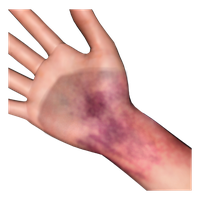
There might be pain and bruises which should go away after a few days. You can take paracetamol.

What are the risks?
This depends on where the ablation is in your body, these are some of the things that might happen.
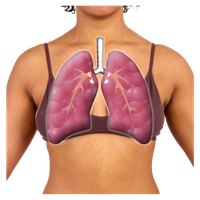
There could be a leak in your lung, if this happens while you are hospital it might mean you have to stay a bit longer.
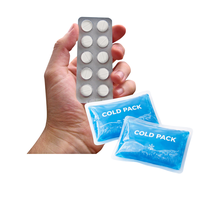
There could be a blood clot called a haematoma which might cause some swelling and pain.
You can use an ice pack and take paracetamol to help with this.
If it does not go away over the next few days phone the Radiology Nurses.

If you have very bad bruising and are feeling weak and sick, this is very rare. You might need a small procedure to stop the bleeding: Contact the Radiology Nurses or phone NHS111.
There could be damage to skin, muscles, or nerves near where the needles went in, this is rare.
Sometimes other organs like the bowel might be damaged and might mean an operation but it is rare.

When you get home
If there is bleeding or anything else coming from where the needles went in, contact your doctor or NHS111.
If you have pains in your chest, find it hard to breathe or cough up blood go to A & E straight away.
Sometimes a tumour can’t be fully treated, and you may need another appointment.

When will I get the results?
A follow up appointment will be made when you are discharged.

Do I have to have an ablation or is there something else?
You do not have to have an ablation.
We can check on your tumour with scans, but it might mean things get worse because there is a delay in your treatment.
It might be possible to have surgery instead.

Ask 3 questions
If you are asked to make a choice about your health, you may have lots of questions you want to ask.

You might want to talk to other people about your choices.
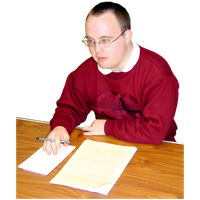
It can help if you make a list of your questions and take it with you to your appointment.

To begin with try to make sure you get the answers to these 3 questions, if you are asked to make a choice about your healthcare:
What are my choices?
What are the good things and not so good things about each choice?
How do I get help so I can make a choice that is right for me?

How to contact us
You can contact us on the number in your appointment letter.
You can contact your consultant’s secretary.
You can contact one of the Cancer Nurse Specialists Cheltenham General Hospital 0300 422 2379
Gloucestershire Hospitals Switchboard 0300 422 2222 Ask for the operator and then ask them to bleep the Cancer Nurse Specialist on 2649.